
What I Learned Building
20+ Products in 3 Months
Without Writing Code
Strategy Director. Non-coder. 15 years in advertising.
3 months shipping products with AI.
15 years in advertising.
Strategy Director at MediaMonks, where I led emerging tech and drove $3.2M in Web3 revenue. Head of Digital at Contagious. Founded my own agency. Worked at R/GA, Poke, AnalogFolk. Built campaigns for Nike, Google, Gucci, BMW. Published a book. Named a BIMA 100 Tech Pioneer.
I've always been early.
The brands.
15 years of brand strategy across sport, luxury, tech, and FMCG.
$3.2M from a space most agencies ignored.
In 2022, MediaMonks didn't have a Web3 practice. I saw the cultural moment, built the business case, and led the team. Within 18 months we'd generated $3.2M in revenue from brand strategy in the NFT and Web3 space. Not because I was a crypto evangelist. Because I recognised a cultural shift and moved before the competition. That instinct, seeing what's next and acting on it, is the same muscle I'm using now.
Published. Recognised. Still building.
Named a BIMA 100 Tech Pioneer. Published "Getting Started with Web3 and NFTs" through BCS in 2024. Founded my own agency at 27 and ran it for four years. None of it came from waiting for permission. The pattern is consistent: see the opportunity, do the work, let the recognition follow.
The side hustle gene.
I've always been building something on the side. Even with a full-time job, there was always a project at night. A blog. A tool. A community. A business. It's not restlessness. It's a deep focus thing: when something clicks, I can't leave it alone. I'll stay up until midnight and forget to eat. That obsessive wiring is the thing that makes this work.
Every cycle,
the same instinct:
Don't just watch.
Jump in and build.
Company closes. I pick up Claude Code.
No safety net. No engineering team. Just a strategist
with 15 years of opinions about how things should work,
and a tool that could actually build them.
The cost of building just collapsed.
AI coding tools didn't just get better in 2025. They crossed a line. The cost of building a product went from months and dev teams to days and a subscription fee. For the first time in the history of the internet, the bottleneck isn't engineering. It's ideas. And ideas are what strategy people have in surplus.
Staying still is falling behind.
Advertising skews young. I'm turning 40. The industry rewards novelty and punishes experience unless that experience comes with proof you can still move. This isn't curiosity for curiosity's sake. It's a professional imperative. The people who don't build fluency with AI tools now will spend the next decade explaining why they didn't. The ones who do will have something that no amount of strategy decks can replicate: proof they can adapt.
Building is the new literacy.
Five years from now, the ability to prototype and ship ideas with AI tools won't be a differentiator. It'll be table stakes. Like knowing PowerPoint in 2005 or being "good at social" in 2012. The window to get ahead of this is right now. Not next quarter, not when things settle down. Now. Every week I don't build something is a week someone else is. That urgency is the engine underneath all of this.
Because the gap finally closed.
For 15 years, I had ideas faster than I could get them built. Every good insight needed a budget, a dev team, a roadmap, stakeholder buy-in. Most died in the gap between "this should exist" and "someone should build this." When you've spent your entire career thinking about what should exist in the world, and suddenly you can make it exist before lunch, you don't stop.
What if a strategist
could build as fast
as they can think?
live products. 3 months. No engineering background.
Data pipelines. Content engines. Scoring systems.
Directory sites. Web apps. A transit tool with 95 features.
All built solo with Claude Code.
What I built.
Content engines
Automated pipelines that wake up every morning, scan hundreds of sources, score and rank what matters, and publish fresh content. No human in the loop.
RSS sources feeding The Pattern every morning at 6am.
Directory sites
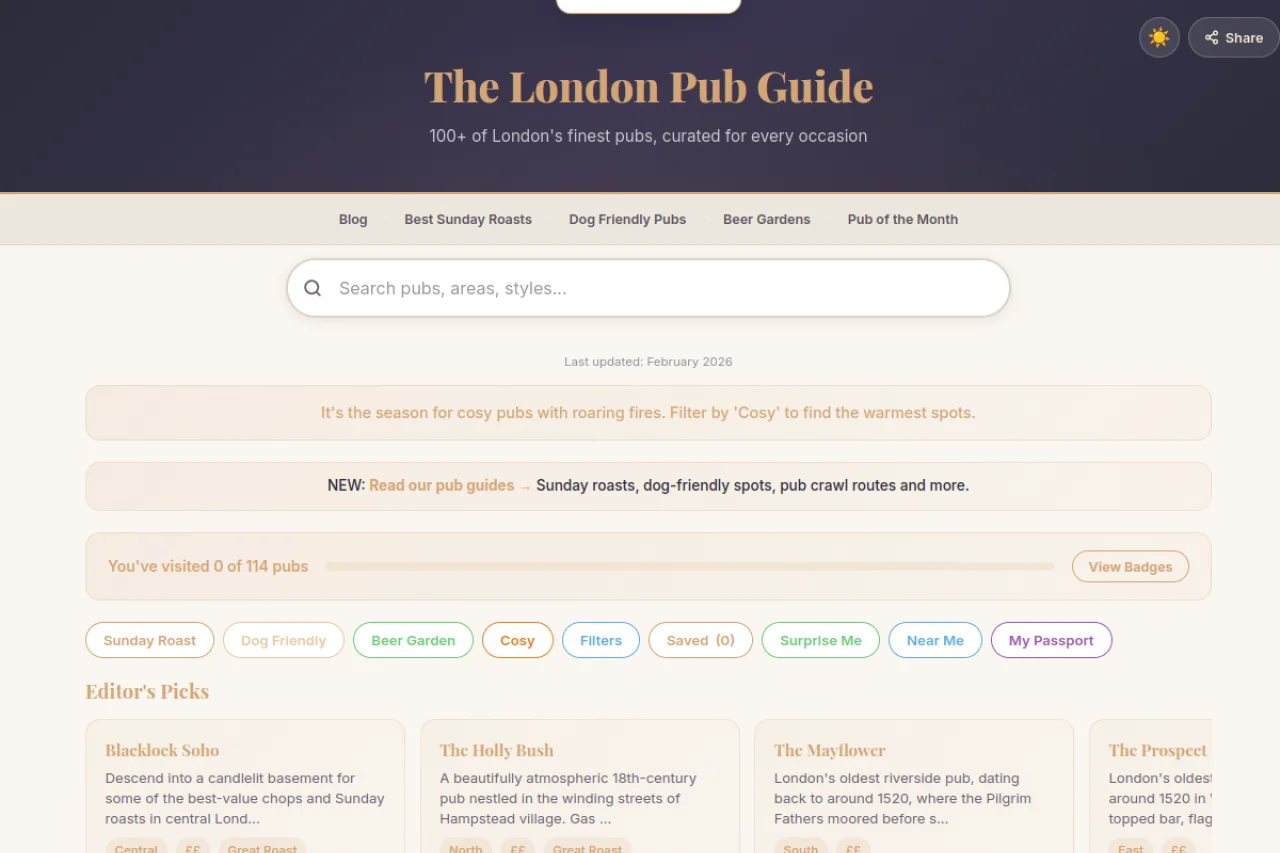
Curated local guides that feel hand-picked, not algorithmic. Built because I wanted better recommendations than Google Maps could give me.
Scoring systems
Frameworks for measuring things that seem unmeasurable. Cultural relevance. Brand taste. Retro authenticity. Every score is opinionated by design.
Web apps and tools
Full-stack products with databases, user accounts, and real complexity. Not demos or prototypes. Things people actually use.
features in First Out. A transit app.
Built by a strategist.
This is what they actually look like.
Modern Retro
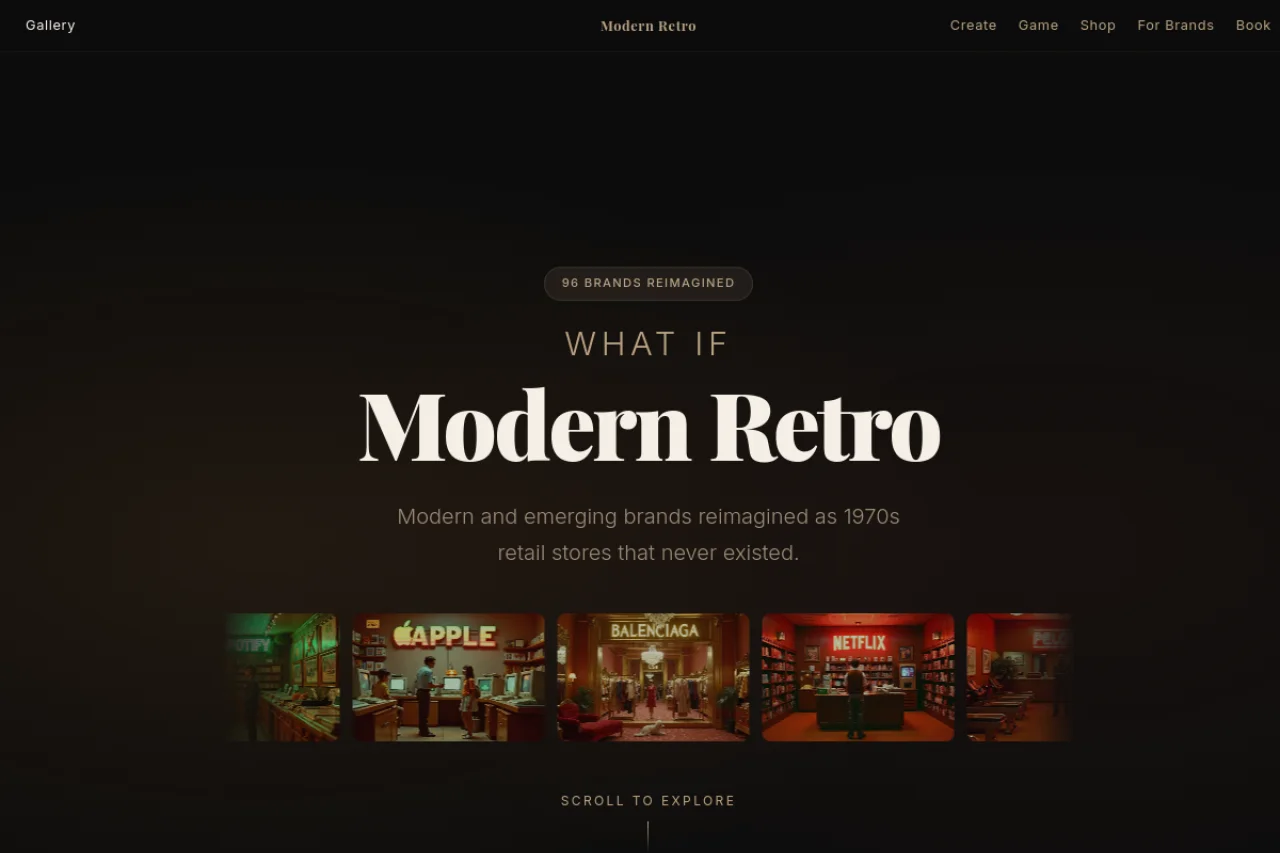
What if today's brands had existed in the 1970s? Modern Retro reimagines them through the lens of 70s retail: hand-drawn logos, kraft paper bags, vintage signage. It started as a creative experiment and became the most popular thing I've made. Real print-on-demand orders. Real audience. Real revenue. The concept works because it sits at the intersection of design nostalgia and brand culture: a combination people share, discuss, and buy.
The Pattern
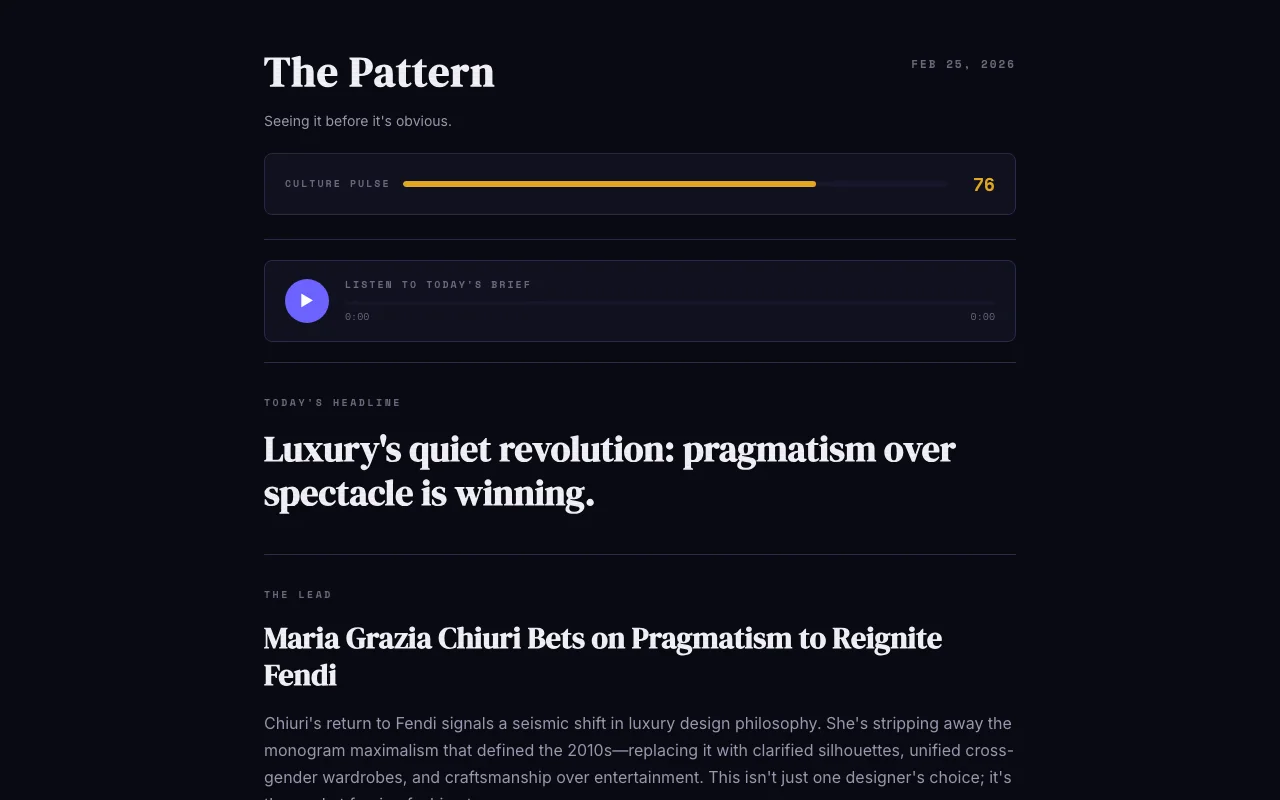
A daily culture briefing I wanted to read every morning. The Pattern scans 150+ RSS sources, scores articles for cultural relevance, generates editorial summaries, and publishes a fresh briefing at 6am. Zero manual intervention. It's the project that best represents what I do: curation, editorial judgement, and systems thinking, automated into something genuinely useful.
Curio
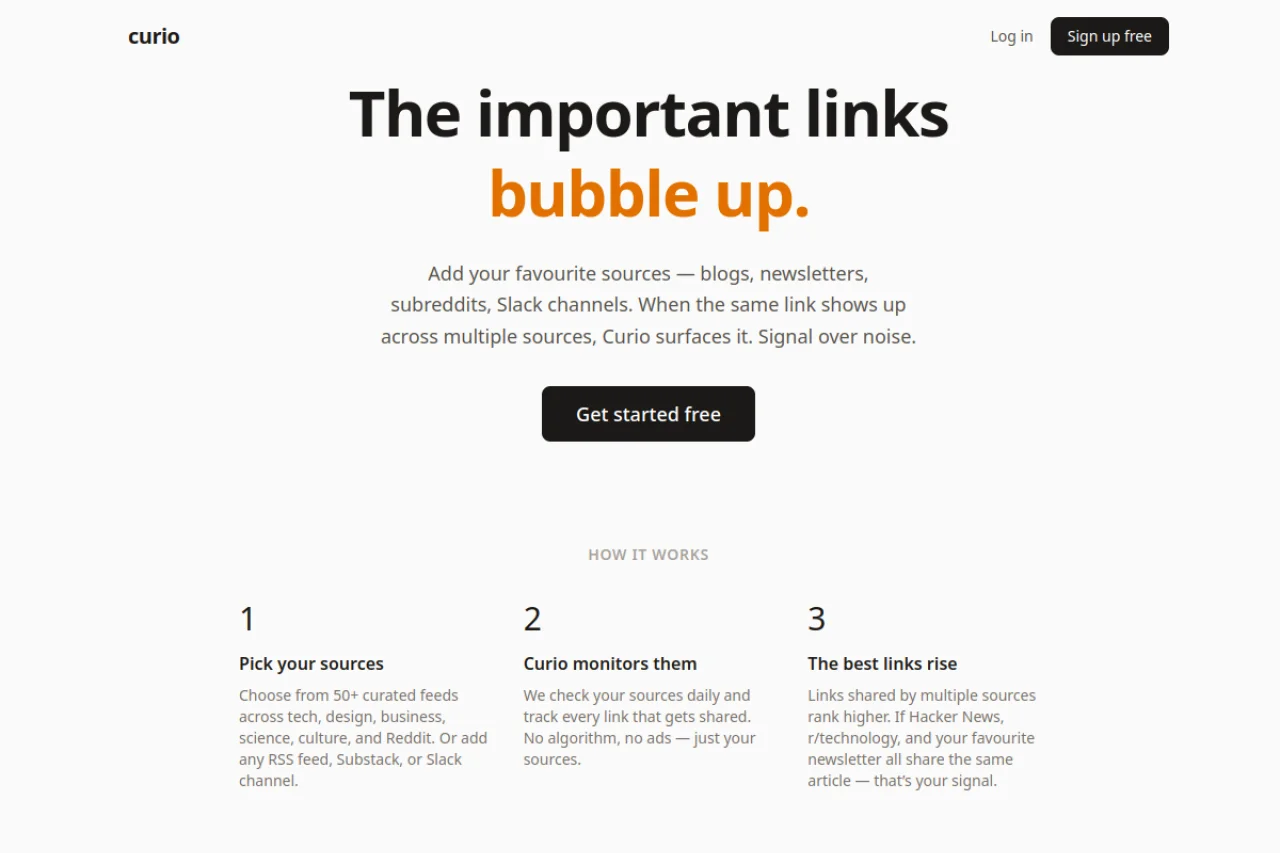
Curio surfaces what the internet is reading right now. It tracks what's being shared across social platforms and aggregates the most-discussed links into a real-time reading list. A cultural signal detector: not what's trending algorithmically, but what real people are passing around. Built on Next.js and Supabase, it's the most technically ambitious thing I've shipped.
Trove
A taste engine disguised as a bookmarking tool. Save anything and it starts to understand what you care about. Not what you click, but what you choose to keep. The thesis: your saves are the most honest signal of who you are. Every feature passes one test: does this help the user understand their taste better? If not, it doesn't ship.
How I actually build.
How First Out went from one question to 95 features.
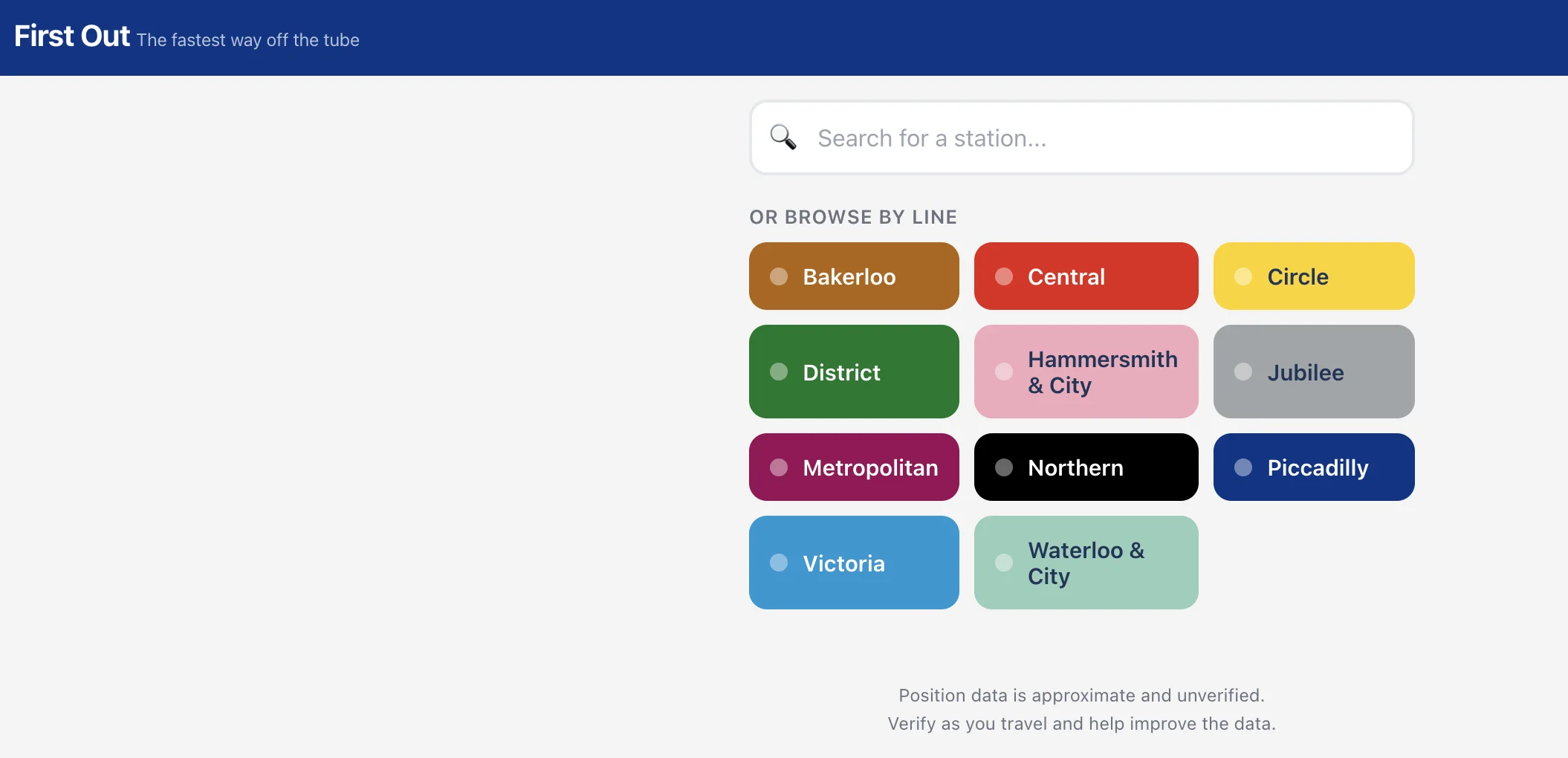
Pushing a buggy through the tube. Every time, the same question: which exit gets me closest to the lift? I built a basic exit finder in a weekend. Then I kept going. Step-free routing. Nearby toilets. Real-time train arrivals. Buggy-friendly exits. A separate parent mode called Buggy Smart. It started as one frustration and became the most complex thing I've built: a PWA with an iOS build, 95+ features, and the kind of obsessive detail that only comes from using the thing yourself every day.
What I can't do.
I can't debug a memory leak. I can't optimise a database query from scratch. I can't read a stack trace and immediately know what's wrong. I'm not an engineer and I'm not pretending to be one. But I can ship products that work, look intentional, and solve real problems. The gap between "professional developer" and "can't build anything" just disappeared.
AI doesn't build it for you.
"You just type a prompt and it makes a website" is what people think. It's wrong. You need taste to know what good looks like. Scope to know when to stop. Editorial judgement to decide what belongs. Design sense to make it feel intentional. Strategy to understand who it's for. AI is the hands. You're the brain. Without the brain, you get generic slop.
It adds up.
These aren't demos. They're alive.
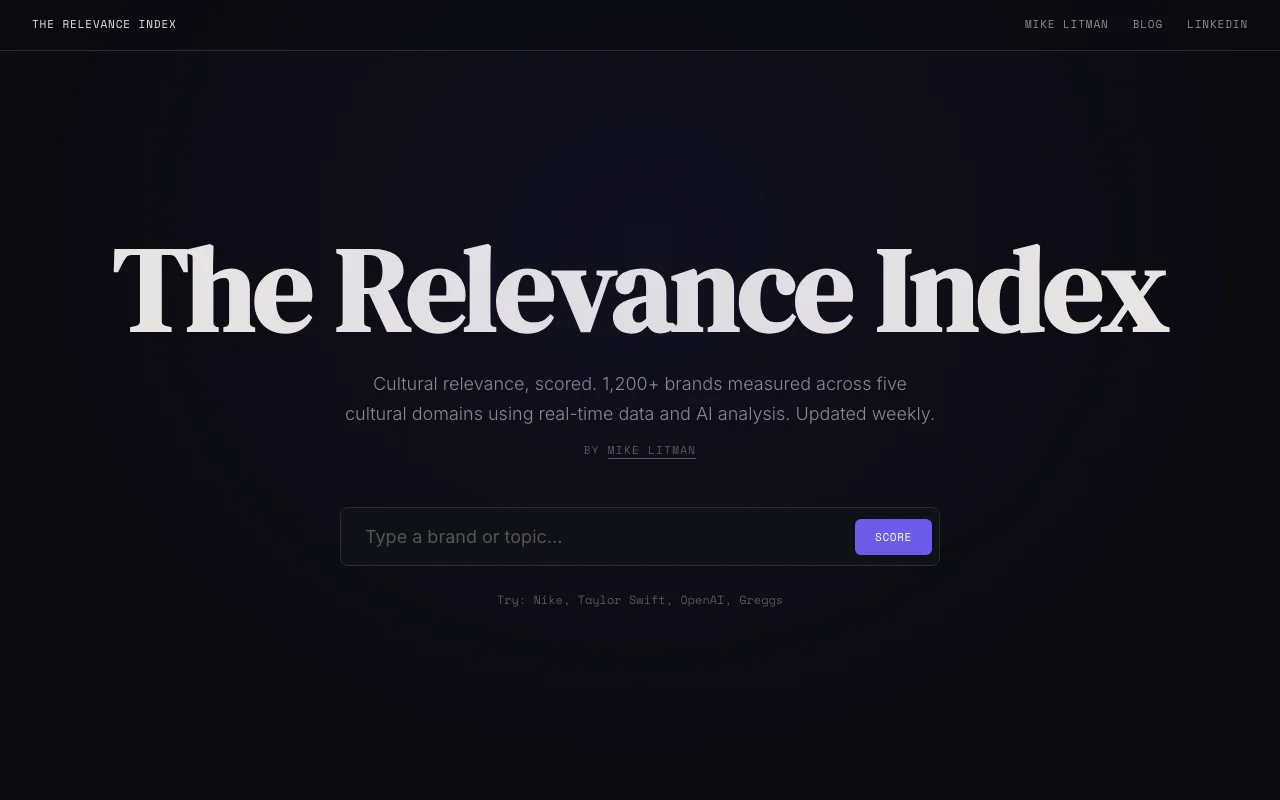
Every morning at 6am, before I wake up: The Pattern publishes a fresh culture briefing. CultureTerminal updates its signal feed. EVERYWEAR surfaces new wearable tech news. Little London refreshes its activity listings. Pub Guide checks for new reviews. The Relevance Index rescores 1,200+ brands on cultural relevance. Six automated pipelines running on cron jobs. No intervention. No babysitting. Just working infrastructure that didn't exist three months ago.
Not everything shipped.
A coffee table book directory went nowhere. A personal finance dashboard turned out to be depressing, not useful. Three concept sites that sounded clever but had no real audience. A health data dashboard that was technically interesting but solved nothing. The ratio matters: 20+ shipped, maybe 8 abandoned. When building is cheap, failure is cheap too. And every abandoned project taught me something that made the next one better. That's not waste. That's research.
How I work.
Frustration. Idea. Weekend. Live.
Every project follows the same arc. A personal frustration becomes an idea. The idea becomes a prompt. The prompt becomes a working prototype by Sunday evening. If it sticks, I iterate. If it doesn't, I move on. The loop is fast because the cost of trying is near zero. Most projects go from frustration to live URL in under 48 hours.
One tool. One person. Real products.
Claude Code for building. Netlify for hosting. GitHub Actions for automation. Supabase for databases. No Figma. No Jira. No sprint planning. The stack is deliberately simple because complexity kills shipping. Every tool earns its place by making me faster, not by adding process.
Not knowing code is the advantage.
Engineers think in systems. I think in audiences. When I build something, the first question isn't "how does this work?" It's "who is this for and what do they need?" Every decision filters through 15 years of audience instinct, brand thinking, and editorial judgement. The AI handles the engineering. I handle the why. That's not a limitation. It's a new category of maker.
One person. One weekend. Zero budget.
The people with the ideas no longer need permission to ship them.
What I learned.
Build for yourself first
Every good project started as something I actually needed. A pub guide for my neighbourhood. A tube exit finder for the buggy. A culture briefing I wanted to read every morning. When you're the user, you know exactly what "done" looks like.
Taste is the real input
AI amplifies what you bring. If you bring nothing, you get nothing. Every decision about what to include, what to cut, how it should feel: that's you. The tool doesn't have opinions. You do. That's the whole point.
Scope is a skill
The AI will try to build Facebook. Your job is to stop it. The hardest part isn't getting things built. It's knowing what not to build. Strategy people are actually good at this. We've spent careers killing darlings.
Ship ugly, ship often
Iteration beats perfection every single time. If it's just for you, working beats polished. Half of these projects launched looking rough. The ones that stuck got better. The ones that didn't were cheap to abandon. You can't iterate on something that doesn't exist.
Context is everything
A beginner and an expert can type the same prompt. The difference is invisible: it's the setup, the memory, the accumulated decisions that shape every output. Knowing the tool is less important than knowing what you want. And knowing what you want is a strategy skill.
Quantity reveals quality
You don't know which idea matters until you've built twenty of them. The projects I'm proudest of aren't the ones I planned most carefully. They're the ones that surprised me by working. Volume is the strategy. Curiosity compounds.
Design is a decision
Every product I build looks intentional because it is. I chose the fonts. I chose the colours. I chose the spacing. AI can generate code, but it can't tell you what good looks like. If you've spent your career thinking about how things should feel, you already have this skill.
Automate the boring parts
Six of my sites update themselves every morning before I wake up. Pipelines scan RSS feeds, score relevance, generate summaries, deploy fresh content, and send me a notification. The first build is exciting. The tenth deploy is tedious. Automate the tedium and keep the taste.
The portfolio is the proof
Nobody cares about your process. They care about what you shipped. Every project is a proof point. Every live URL is a case study. Strategy decks gather dust. Products gather users. If you want to prove you can do something, do it.
Curiosity is the strategy
Building across categories isn't unfocused. It's research. A pub guide teaches you about curation. A scoring system teaches you about methodology. A transit app teaches you about user obsession. Each project teaches you something that makes the next one better. The through-line reveals itself after the fact, never before.
What I believe.
Taste is the last unfair advantage
When everyone can build, what you choose to build becomes the differentiator.
Build for yourself first
If you are not the user, you are guessing.
Curiosity compounds
The more you notice, the more you see. Go deep on the edges and the centre makes more sense.
Connect the dots others miss
Insight is pattern recognition across worlds.
Curation is a creative act
Choosing what to include and what to leave out defines the work.
Show it early
A working anything beats explanation.
Iteration beats perfection
Reality is a better teacher than theory.
Status is a signal system
Objects, brands, and interfaces are coded language. Learn the grammar.
All brands compete for cultural capital
Power comes from being culturally fluent, not just commercially present.
Always archive the signal
What you collect, track, and document becomes future capital.
When everyone can make, taste is all that's left.
AI democratised building. It didn't democratise judgement. The flood of AI-generated content makes taste more valuable, not less. Knowing what to build, what to cut, how it should feel: that's the human layer that can't be automated. The era of taste as a professional skill has arrived.
Brands compete for cultural capital.
Every brand exists on a spectrum from commercially present to culturally fluent. The ones that win aren't the loudest. They're the ones with editorial instinct, with the ability to read the room. Stripe runs a publishing house. Nike curates culture. The best brands don't just sell. They earn cultural capital.
Curation is the new creation.
In a world of infinite content, the person who selects, sequences, and presents is more valuable than the person who produces. Curation is a creative act. It requires taste, editorial judgement, and the confidence to leave things out. The best brands will become curators, not just creators.
So what.
Strategists should build things.
Strategy decks are hypotheses. Products are proof. When a strategist can build, they stop guessing what works and start knowing. The gap between insight and execution is where most ideas die. Building closes that gap.
What would you build
if building was free?
That's the question AI answers. Not "can we?" but "should we?" The constraint isn't engineering any more. It's imagination, taste, and the willingness to ship.
What I'd build next.
Real-time cultural positioning. Competitor tracking. Signal detection at scale.
Systems that understand why you like things, not just what you liked before.
Publications that combine human curation with automated intelligence gathering.
The industry is splitting in two.
- Strategy decks as deliverables
- Months-long research phases
- Specialists in silos
- Ideas without evidence
- Working prototypes as strategy
- Build-measure-learn in days
- Full-stack thinkers
- Proof through product
Where I fit.
I sit at the intersection of brand strategy, cultural intelligence, and product building. I can write the brief, build the prototype, and ship it live. That combination is rare because most strategists don't build and most builders don't do strategy. I do both.
52
new things in 2026
One new thing every week. Products, experiments, tools, content. The only way to learn what works is to keep shipping.
I'm looking for the right next thing.
A role where strategy meets product. Where culture matters. Where building is valued as much as thinking. If that sounds like your team, let's talk.
Mike Litman
Strategy Director turned Builder